
High-ticket products are the prima donnas of the sales world, typically characterized by a high price tag and value. Selling these products does not involve listing them online and crossing your fingers that good fortune comes your way; instead, it calls for a strategic approach to digital marketing. Today, we will look deeper into high-ticket digital marketing strategies that may help you in the sales of your products effectively.
Understanding High-Ticket Sales
- Definition and Examples of High-Ticket Products: High-ticket products are those products whose prices run into hundreds or even thousands of dollars. Their examples include high-end cars, advanced electronic gadgets, costly coaching programs, and admiringly elite membership packages.
- Why High-Ticket Sales Need Different Strategies: High-ticket products mean a lengthened sales cycle and one that requires more trust and personalization. It is an investment of a significantly high amount that customers would make, so they would want to be wildly convinced of the value your product will bring them and that it works.
Identifying Your Target Audience
- Research and Segmentation: One must know exactly who the ideal customers are to sell high-ticket items. Do thorough market research; find your ideal customers and segment them based on demographic, psychographic, and buying behaviors.
- Customer Personas Development: Develop detailed customer personas characterizing your target audience. These personas should highlight age, gender, income level, interests, and pains. It shall help you customize the marketing communication to best appeal to them.
Creating a High-Value Offer
- An Irresistible Value Proposition: The value proposition needs to spell out the unique advantages of your high-value product. Essentially, it should ensure that “Why should I invest in this product?” is answered.
- Bundling and Pricing Strategies: You always want to group a few products or services into one and give it a special price. It puts greater value into the top-tier product and simultaneously justifies the higher cost to the customer.
Create a Thorough Marketing Plan
- Set SMART Goals: Set targets that are Specific, Measurable, Achievable, Relevant, and Time-bound (S.M.A.R.T). It, of course, means that your strategies will be focused and result-oriented.
- Allocate Your Budget Appropriately and Manage Your Resources: Allot your budget across all the marketing channels that work best with your brand’s target audience. Make sure you have sufficient resources to carry out these plans perfectly, including all the resources, like tools and working staff.
How To Take Advantage of Content Marketing!-
- High-Quality Blog Posts and Articles: A well-planned content marketing strategy is essential for billion-dollar sales. Come up with informative, engaging blog posts and quality articles that will prove the benefits and features of your products.
- Webinars and Live Events: Use webinars and live events to engage your prospects face-to-face and show them the actual value of your product. This step might attain trust and credibility as well.
- Case Studies and Whitepapers: Share case studies and whitepapers that talk about success stories and go into detail regarding your product. It will be compelling content for the high-ticket buyer.
Social Media
- The Right Platforms: Do not waste time working on all social media platforms. Zero in on the ones where your audience spends most of their time. It helps to ensure maximum interaction.
- Engaging Your Audience: Interact consistently with your audience by posting, commenting and messaging. Building a relationship with your prospects is the most vital part of selling high-priced products.
- Social Media Advertisement: Invest in social media advertisements to expose more people to your products. Advertise using targeted ads so only those interested in your products are the ones to see your messages.
Email Marketing Strategies
- Good Email Lists Building: Build an email list of qualified leads. Experiment with lead magnets like free e-books or exclusive content in exchange for subscribers.
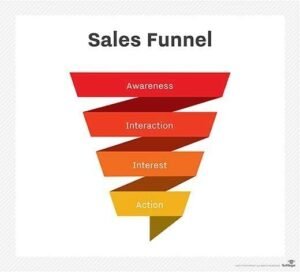
- Email Sequences That Convert: Design an email tempo that educates and nurtures leads down the sales funnel. Add original educational content, product details, and compelling CTAs.
- Personalization and Automation: Personalize your emails so they seem relevant to each person receiving them. Use automation tools which send emails at the right time, depending on user behavior.
Paid Advertising Campaigns
- Google Ads and PPC: Send targeted traffic to your website through Google Ads and pay-per-click ads. Take advantage of long-tail keywords that concern your high-ticket products.
- Facebook and Instagram Ads: Use advanced targeting options through Facebook and Instagram ads to show your offering to people who care. Combine riveting visuals with attention-grabbing copy.
- Retargeting Strategies: Retargeting campaigns can target users who have fallen in love with the product but failed to buy it. It will ensure your product cannot be forgotten by them.
Search Engine Optimization (SEO)
- On-Page and Off-Page SEO: Optimise on-page elements like Titles, Meta Descriptions, and Content. Link Building: Build high-quality backlinks to improve off-page search engine optimization.
- Keyword Research for High-Ticket Products: Undergo detailed keyword research to find out what your target audience is typing in the search bar. Emphasize long-tail keywords that show a purchase intent.
- Technical SEO Considerations: Ensure your site is technically sound, ensuring fast loading time, mobile-friendly, and security due to an HTTPS connection.
Influencer Marketing
- Identification of Right Influencers: Identify the influencers who genuinely relate to your brand and have audiences that resonate with your target market. In such cases, an influencer can quite easily plug your high-priced products.
- Relationship Building with Influencers: Build good relationships with them by offering value to them, such as giving them free products or special discounts. Collaborate with them on their content and make it authentic.
- Measuring Impact of Influencer Marketing: Track the performance of your influencer campaigns in terms of engagement, reach, and conversions to help you calculate the ROI of your efforts.
Sales Funnel Optimization
- Building a Frictionless Customer Journey: Create a sales funnel that seamlessly guides customers from awareness to purchase. Build value and trust through each part of the funnel.
- Landing Page Optimization: Ensure it is conversion-optimized with a clear call-to-action, attractive visuals, and compelling copy.
- A/B Testing And Conversion Rate Optimization: Run frequent tests on aspects of your marketing campaigns to figure out what works best for you. Adapt conversion rate optimization techniques to help your results continuously improve.
Video Marketing—How to Use It
- High-Quality Video Content Creation: Make professional video content about your product, including its benefits and all the related features. Tell stories to have users emotionally connected.
- YouTube Marketing Strategies: Use the fact that YouTube has the most significant reach. SEO-optimize all videos and promote them on every other marketing channel.
- Video Ads on Social Media: Run video ads across Facebook, Instagram, and LinkedIn—formats that capture users’ attention and drive conversions. Ensure that videos are short, engaging, and intelligent.
Establishing Trust and Credibility
- Capitalizing on Testimonials and Reviews: Use testimonials and reviews by satisfied customers with the services or products offered. This social proof tends to have a significant impact on the decisions of potential buyers.
- Creating a Robust Online Presence: Provision of regular updates, engaging content, and timely responses to customer inquiries for online presence. It attracts credibility and trust.
- Genuine Customer Service: Provide honest customer service to ensure a good interaction experience with customers. It will mean repeat business and positive word-of-mouth referrals.

Measure and Analyze Results
- Key Performance Indicators (KPIs): Track and define your KPIs concerning marketing goals: conversion rates, customer acquisition costs, and return on ad spend.
- Tapping into Analytics Tools: Tools for collecting and analyzing data within insights tell you where your campaigns are at, such as Google Analytics, Facebook Insights, or email marketing software, to mention but a few.
- Keep Improving and Adapting: Keep improving your performance based on the results. Improvement is the only way to stay ahead in the competitive market.
Conclusion
Selling high-priced products requires a holistic, well-planned approach to digital marketing. Knowing your audience, creating a high-value offer, and running your marketing through various channels will help you successfully drive sales and grow your business. Apply these digital marketing strategies for high-ticket items, and watch your sales reach the sky.
Frequently Asked Questions (FAQs)
What are high-ticket products?
High-ticket products, such as luxury goods, premium services, and exclusive memberships, are often high in value and highly-priced.
How to find the target audience?
You will find your target audience through market research. You must segment your target market using demographics and psychographics and create detailed customer personas.
What are some adequate email marketing strategies for sales?
Some of the most effective strategies for email marketing include building a quality email list, crafting personalized email sequences, and sending timely messages using automation tools.
How relevant is SEO to high-ticket products?
SEO is very relevant in high-ticket products, enhancing website visibility, driving organic traffic, and reaching prospects actively looking to buy your products.
How do I measure my marketing campaigns’ success?
Keep track of the success of your marketing campaigns, focusing on KPIs for the campaigns, such as conversion rates and cost of customer acquisition and ROAS. Use analytics tools to collect data and derive meaningful insights.