

In these technological times, social media is part of the critical skills to be acquired, not an option. A good strategy is supposed to raise your brand awareness and increase reach, yielding high returns on investment. For an entrepreneur, that may just be the edge needed between merely surviving and thriving in an otherwise cutthroat market.
Why Social Media Matters
Let’s tap into a wider audience and make them your potential customers by converting followers into loyal clients; that is why social media is such a vital tool. With millions and millions of users worldwide, platforms like Facebook, Instagram, LinkedIn, and Twitter give opportunities for brand exposure and customer interaction unmatched by other mediums.

Benefits of a Robust Social Media Presence
A robust strategic presence in social media will help to increase brand awareness, boost website traffic, and ensure customer loyalty. You can establish one-on-one relationships with your customers through social media and build a community around your brand. Besides, it provides a means to increase your exposure to new customers whenever they like, share, comments, or even any sort of interaction on your Content. You can drive conversions through the turning of social media interaction into sales and leads.
Step 1: Define Your Goals: Be Clear About What You Want—Before you get into the details of your social media strategy, it’s important to define what that is. What are you trying to achieve? Your goals should be clear, measurable, and aligned with your overall business objectives.
- SMART Goals—Think in terms of S.M.A.R.T. goals: Specific, Measurable, Attainable, Relevant, and Time-bound. A good example would be the following: if you want to increase awareness about the brand, a SMART goal could be “Increase Instagram followers by 20% in the next three months.”
Step 2: Know Your Audience: Know Your Target Market—If you are going to curate Content that will resonate, you have to know your audience. You should know who they are, what their interests and needs are, and what their pain points are. Use demographic data, questionnaires, and social media analytics to create small-grained pictures of your ideal buyer.
- How to Create Buyer Personas: One way you can be sure of meeting each buyer’s requirements individually is by coming up with buyer personas. A consumer persona is an imaginary representation of the ideal customer based on market research, analysis, and data accuracy of your existing customer base.
Step 3: Choose Your Platforms: Not All Platforms Are Created Equal—Clearly, each social media site has its audience and exceptional strengths. What’s proper for your business will depend on the platforms used by your target audience and what type of Content you want to share.
- Platform Overviews
- Facebook: Relationship-building; community building
- Instagram: Visual Content; young people
- LinkedIn: B2B; professional networking
- Twitter: Best for real-time updates and engaging with trending topics
Step 4: Create Engaging Content: Content is King—At the base of any successful social media strategy is quality, engaging Content. Every post should entertain, inform, inspire, or provide value to your audience.
- Content Types
- Visual Content: images, infographics, and videos are OK on most platforms.
- Interactive Content: This would involve polls, quizzes, and live streams—things that tend to cut out more considerable engagement.
- Knowledge Content: How-tos, tutorials, and industry insights make your brand an authority in the eyes of customers.
- User-Generated Content: Request to post from customers what they created by themselves. It enables a feeling of belonging and trust.
Step 5: Plan a Content Calendar: Plan Ahead—A content calendar helps you by pre-planning your posts so that data aids you in having both consistency and strategy with your posts. It allows you to know precisely what and when you are posting on which platforms.
- Content Scheduling Tools—Tools like Hootsuite, Buffer, or Sprout Social will definitely make your scheduling process more accessible, and it definitely helps one stick more to his posting schedule compared to the case when you post cold. Not to mention, you will get some idea about content performance.
Step 6: Engage Your Audience: Relationships—Social media runs both ways. You will build liaison, which might launch loyalty, by engaging your target audience through comments, messages, and social media groups.
- Reaction to Feedback—By reacting promptly to comments and messages, they will be made to feel that their feedback is essential in your eyes and that you are taking a keen interest in their needs. It may improve your brand image and bring more engagement to you.
Step 7: Analyze and Adjust: Measuring Success—The performance is to be regularly reviewed so that one knows what is working and what is not working. With the help of analytics facilities, track key metrics regarding engagement rates, follower growth, and conversion rates.
Adjusting Your Strategy
Use the results of your analysis in refining your strategy for better performance. It might involve adjusting the Content, other posting times, or new post types.
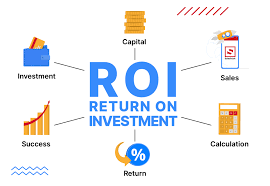
Advanced Strategies to Maximize R.O.I.
Influencer Partnerships—Partner with influencers to gain maximum reach and credibility. Partnering with them gives you access to their audiences and uses that trust.
Social media ads unlock the power of targeting just the right people. With advanced, industry-specific ad tools on Facebook and Instagram, drive new customers and conversions among them.
At Work: Advanced Analytics—Advanced analytic tools provide better insight into audience behaviors and their liking and disliking. With the help of these insights, an individual would want to fine-tune the strategy and create more relevant Content.
Examples in Practice
Case Study 1: Startup Finds Success on Instagram—A tech startup leveraged Instagram to help their users understand more about the features of their products, ‘behind the scenes’ Content, and so on. They increased followers by 50 per cent through targeted ad campaigns and boosted sales by 30 per cent with user-generated Content.
Case Study 2: How a Local Business Thrived on Facebook—This bakery business involves the community through Facebook with its daily specials and contests. These interactive postings and community-focused efforts led to a 40 per cent increase in footfalls, not to mention an online order surge.
Your Path to Social Media Mastery
Successful social media demands only the best strategy: one that ties creative flair to strategic planning at the intersection of lifelong learning. Define your goals, know your audience, be on perfect platforms, post consistently engaging Content, and build a strong social media presence to power awareness and drive R.O.I.
Social media is not just used for broadcasting; instead, it’s about building relationships and giving value. Be flexible, and keep learning to deal with its upgrading version so that you will constantly adjust it with time and be ahead of everything.
Consistent Brand Identity
The Power of Consistency—You need a continued brand identity for your social media. These are the elements that really make it possible to have a recognizable, memorable brand: visual, tone, and messaging consistency. It will strengthen your brand image and form trust with the audience.
- Visual Continuity—Keep color schemes, typography, and logo placement consistent. This uniformity in all of your social media profiles will help significantly in the instant recognition of your brand identity. Tools like Canva assist in building branded templating to quickly bring about on-brand posts.
- Tone and Messaging—Define the brand voice and come true to the voice implemented. Professional, casual, or quirky uniformity does help get through the personality of a brand. Your messaging should also resonate with your brand values and goals.
Integrating Social Media with Other Marketing Channels
Cross-Promotion—Integrating your social media with other marketing channels, such as email marketing or website efforts, and, of course, offline marketing efforts are effective. Cross-promotion can multiply reach and effect.
Add social media buttons in your email to give a reason to follow you on social media. One can also use social media platforms to uplift people to subscribe to your email newsletter.
Website Integration—Use social media feeds directly on your website. It provides visitors with a look into dynamic Content to make them pause for a moment to see what has been posted on your website and then follow you on social media.
Keeping Pace with Evolving Algorithms
Algorithm Awareness—The algorithms of these platforms are changing all the time, and this will hurt your organic reach. One can keep a tab on these changes to adjust the strategy for maintaining or increasing reach.
Adapting Changes—An interesting suggestion goes that whenever the platforms make changes in algorithms, they experiment with different content types at different times, having various engagement methods. Industry news and updates help you to be much better prepared for these changes.

Role of Storytelling in Social Media
Creating Engaging Stories—Storytelling connects the brand with the audience at an emotional level. Share your journey, customer experience stories, background information, etc.
Emotional Connection—Emotive stories bring the audience closer to a brand. Whether the feeling is joy, nostalgia, or inspiration, no matter what it is, the emotional Content will spread more and get stuck in our minds.
How to Use Social Media Analytics
Key Metrics to Track
Other than some fundamental metrics, such as those concerning likes and shares, track some of the advanced analytics measures, like:
- Engage Rate: The amount of engagement your Content receives vis-à-vis your number of followers.
- Conversion Rate: Number of users out of the total that take the desired action. For example, filling out a form or making a purchase.
- Customer Sentiment: Comments and feedback will let you know how your audience feels about your brand and Content.
Deep Dive Tools
Tools like Google Analytics, Facebook Insights, and X Analytics all house data that can help shape your strategy. They’re going to let you understand actual behaviors your audience is undertaking, the performance of activities over time, and where trends are developing.
The New Frontier of Platforms ML —And Beyond TikTok
Looking at emerging platforms like TikTok will give you an edge over others, while more established platforms like Facebook and Instagram are critical in their own right. TikTok’s algorithm also rewards creativity and genuineness or authenticity. The potential of this platform is enormous for targeting younger age groups.
Early Adoption—By merely being early to the new platforms, you are beating your competitors and thus able to test new content formats and engagement tactics before the platform gets saturated.
The Future of Social Media Marketing: Trends to Watch
It would be quite something to watch for virtual reality, augmented reality, and social commerce. It does establish a new future of social media marketing, which may allow new lanes of engagement with your audience.
Continuous Improvement
The social media domain is constantly changing; stay razor-sharp and current in strategy by being up-to-date with news in the industry, webinars, or e-courses.
Final Thoughts: How to Succeed in the Long Run
One will have to build the supreme social media strategy, which learns, improves, and understands the audience down to granular details. Keeping relatively current on industry trends, with the right tools in use, and constantly keeping true to brand personality and messaging—all these will keep you on solid social ground for long-lasting brand awareness and R.O.I.