

Have you ever wondered what happens inside your customers’ minds?
It will definitely take one on an up-close view of this world. Neuromarketing combines neuroscience with marketing fundamentals to explain how the brains of consumers respond to marketing stimuli. That stringent and potent tool may just crack open those hidden insights, improving marketing strategies for better ROI. Let’s look deeper into the intricacies of neuromarketing analysis together.
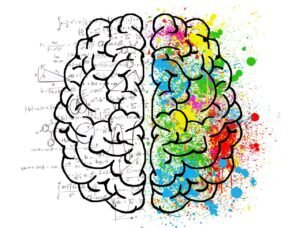
What is Neuromarketing?
History of Neuromarketing: Though it is a relatively nascent field of study, Neuromarketing took off in the early 2000s. It is just a blend or mix of neuroscience with marketing, striving to achieve an understanding of the consumers’ behavior at a biological level.
Core Concepts: At the heart of Neuromarketing’s attempts is deciphering the brain’s reactions to marketing stimuli. In other words, it is utilizing high-tech tools to gauge brain activity and other physiological responses.
How Neuromarketing Works
Brain Imaging Techniques: Neuromarketing is based on a few sophisticated techniques that help gather the data. Some of them include the following:
fMRI, or Functional Magnetic Resonance Imaging: It measures activity across the brain by identifying changes in blood flow. It helps marketers understand which parts are sparked in the course of specific tasks.
EEG, or Electroencephalography: It measures electric activity in the brain. It helps measure instantaneous response to stimuli and provides real-time information about brain activity.
Measuring Biometrics: Neuromarketing also draws upon some biometric measures to obtain insights from. They include:
Eye Tracking: The technology shows where and how long a visitor looks across a screen or even the product. It helps comprehend what precisely captures attention and holds it.
Heart Rate Monitoring: Tachycardia, or the increase in heartbeats per minute, may stand for an emotional trigger or an arousal to a stimulus. The heart rate monitor helps to guess the intensity of responses.
Behavioral Data: It is in understanding consumer behavior that the additional context can be attached to the purely physiologic data, therefore providing a comprehensive understanding of the consumers’ responses.
Applications of Neuromarketing
Advertising: Neuromarketing helps develop better advertisements by understanding what catches a consumer’s eye and triggers numerous emotions.
Product Design: Companies can design products that would better adapt to the requirements and wants of their target group by analyzing the reactions of consumers to different features in the product.
Pricing Strategies: Perception of consumer value estimates prices that allow maximum sales and profitability.
Website Design: Websites can be designed better by applying neuromarketing insights into layout and content to improve user and conversion experience.

Advantages of Neuromarketing
Deeper Consumer Insights: Neuromarketing helps derive more in-depth insights into consumer needs and behavior, helping to develop more targeted marketing strategies.
Better Marketing ROI: One can have a better ROI by customizing the campaigns to what really rings a bell with consumers.
Lesser Chances of Campaign Failure: With minute details into consumer reactions, marketers can attempt to cut down the risks associated with failed campaigns.
Neuromarketing Tools and Techniques
Eye-Tracking Technology: This technology sees what draws attention to help refine visual elements in marketing material.
Facial Coding: Facial coding analyzes micro-expressions to gauge emotional responses against marketing stimuli.
Galvanic Skin Response: Skin conductivity measures an aspect of the skin that changes when a person becomes emotionally aroused; this technique thus offers an indication of the reactions of consumers to stimuli.
Ethical issues in Neuromarketing
Privacy Issues: Collection and analysis of biometric data is a severe invasion of privacy.
Manipulation vs. Consumer Choice: A very thin line separates understanding consumer behavior from manipulating such an understanding; there are, therefore, ethical concerns on issues of consumer choice.
Transparency and Consumer Consent: That is why, while conducting studies on Neuromarketing, transparency and informed consent have to be maintained.
Case Studies in Neuromarketing
- Successful Campaigns: There have been several brands which successfully applied Neuromarketing to improve their campaign. For instance, Coca-Cola and Pepsi have utilized imaging of the brain so as to understand consumer preferences.
- Lessons Learnt: The case studies depict that the application of neuromarketing insights will have to be thoughtful along with being ethical.
Challenges in Neuromarketing
High Costs: Neuromarketing is quite expensive and may not be very accessible to larger companies with a budget.
Technical Complexity: The technology and expertize needed in Neuromarketing is pretty complex, keeping some businesses away.
Interpretation of Data: It calls for specialized knowledge in analyzing and interpreting neuromarketing data for actionable insights.
Strategies of Neuromarketing
Future of Neuromarketing
Emerging Trends: The advancement of technology has seen Neuromarketing grow and will continue to grow with the adoption of new tools and methods in the future.
Advances in Technology: Brain imaging and biometric measurements-related inventions will further increase the accuracy and applicability of Neuromarketing.
Implication for Marketing: Neuromarketing has enormous potential to change the complexion of marketing by making it more personalized and effective.
Neuromarketing vs Traditional Marketing
Key Points of Differences
Neuromarketing deals with the subconscious response of consumers. Traditional marketing has often relied upon self-reported data in most of the cases.
Advantages and Disadvantages
Neuromarketing provides deeper insights but often ends up being expensive and complex as compared to traditional techniques.
Implementing Neuromarketing in Your Business
Steps to Get Started
Start by knowing the basics, and then, based on those, apply neuromarketing principles in your strategy in increments.
Choosing the Right Tools
Pick out tools that align with your business goals and budget.
Measuring Success
Be cautious; frequently, the effect of your work in Neuromarketing should be measured to ensure that it leads to the correct result.
Neuromarketing Myths and Misconceptions
Common Misconceptions
Most of these legends circulate on the notion that Neuromarketing is some kind of mind control. The truth is, it is about knowing one’s preferences—not letting them know what to like.
Separating the Facts
One should learn for himself and his colleagues precisely what Neuromarketing is so that to the left activate these kinds of myths.
Neuromarketing and Consumer Psychology
Understanding Consumer Behavior
Neuromarketing helps better understand the psychological process behind consumer decisions.
Role of Emotions in Decision-Making
The role of emotions is central to what drives consumer choices, and Neuromarketing helps to uncover these emotional drivers.
Conclusion
Neuromarketing is one of the richest sources of insight into consumer behavior, enabling fine-tuning marketing strategies by genuinely understanding consumers at a subconscious level. The potential benefits, notwithstanding challenges and ethical issues, are something no marketer’s arsenal should do without.
Frequently Asked Questions
What is Neuromarketing all about?
The main purpose of Neuromarketing is to understand consumer brains because of marketing stimuli, with the aim of making out or creating some more effective marketing strategies.
How accurate are data collected by Neuromarketing?
The data collected by Neuromarketing might be as accurate as the used techniques and tools’ competence.
Are small businesses capable of benefiting from Neuromarketing?
Yes, Neuromarketing can do so through small business-oriented, low-cost tools that bring meaningful insights and actions towards improvement in their marketing strategies.
What risks does Neuromarketing bear in its wake?
The most important are those of privacy, ethical manipulation, and informed consent.
How can I learn more about Neuromarketing?
You can barely do without creating online courses on the topic, reading books related to that area, participating in specific webinars, joining relevant groups, and following people who are experts in this sphere.